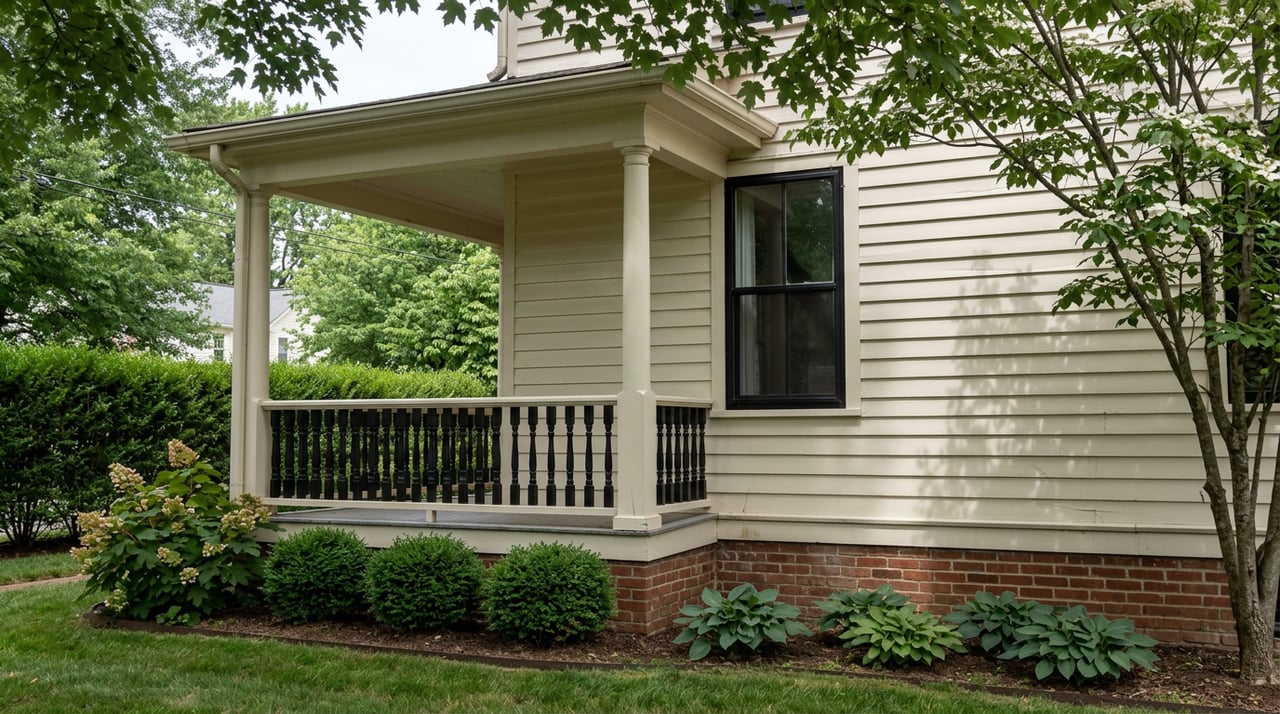
If you're picturing a new porch railing, a repainted trim color, or a fence replacement on a home in Mariemont, here's the question that actually matters: what day of the month is it?
Mariemont and Terrace Park get marketed together so often that it's easy to assume they run on the same rules. Both are small, walkable, tree-canopied villages east of Cincinnati. Both have historic housing stock and a strong sense of local identity. But the two villages handle exterior changes to a home in completely different ways, and that difference can add weeks to a renovation, complicate a closing timeline, or catch a buyer off guard mid-project. It has nothing to do with which village is "more historic." It has to do with which one wrote a specific local ordinance decades ago.
The Federal Label Isn't What Controls Your Project
Mariemont was listed on the National Register of Historic Places on July 24, 1979, and designated a National Historic Landmark in 2007. Those are meaningful, well-earned distinctions. The village is one of the country's most complete examples of a planned garden-city community, built under the direction of town planner John Nolen and funded by Cincinnati philanthropist Mary Emery in the 1920s.
Here's the part that surprises most people: that federal designation, by itself, doesn't restrict what a private homeowner can do to their house. The National Remodeling Authority says National Register and National Historic Landmark status generally only come into play if you're using federal funds or seeking federal tax incentives for a project. Otherwise, an owner's actual obligations come from local ordinance, not the plaque.
Mariemont has that local ordinance.
The Board That Actually Has Authority
In Mariemont, the body with real teeth is the Architectural Review Board, established by village ordinance in 1983. Before any exterior change can be made to a property inside the village's Historic District, the plans need approval from this board, which issues or refuses something called a Certificate of Appropriateness.
That requirement covers more than additions and new construction. It reaches paint colors, roofing, fences, signage, porch modifications, and any other visible exterior work. The village's own building department FAQ spells out that plan review includes checking whether a property sits within one of Mariemont's seven designated Historic Districts, which triggers the Certificate of Appropriateness requirement for any proposed exterior change.
There are exceptions. Ordinary repair, routine maintenance, and interior decorating don't require the same review, and any repair or improvement under $500 is generally exempt from needing a building permit at all. But new windows, a repainted facade, a rebuilt porch, or a fence, the kind of projects most buyers plan within their first year of ownership, fall squarely inside the review requirement.
One Meeting A Month Changes Everything
Here's where the timeline math gets real. The Architectural Review Board meets on the third Monday of each month, and only if a hearing has actually been requested. To get on that agenda, a written request has to reach the Village Office by the first Monday of the month before the scheduled meeting.
Miss that window by a single day, and the wait isn't a few days. It's six to eight weeks until the next realistic opportunity to be heard.
Compare that to the village's general building permit process, which the building department FAQ describes as usually taking two to three days for a standard project. That fast turnaround applies to the base zoning and building permit. The Certificate of Appropriateness for exterior work runs on its own separate, monthly clock, and it sits on top of the standard review, not instead of it.
For a buyer who wants exterior work done before move-in, or a seller who promised a fresh coat of paint before listing photos, this is the detail that turns a two-week project into a two-month one if the request isn't submitted early enough to catch the right meeting.
The application and public hearing fee itself is modest, $25, and preliminary consultations with the building department are available and encouraged specifically to help avoid the kind of design errors that send a project back for revision and another month's wait.
What Mariemont Is Actually Protecting
The ordinance language explains the strictness by tying it directly to the village's original design intent. That's not abstract. The Mariemont Code of Ordinances lists specific, named buildings: the Mariemont Inn at 6880 Wooster Pike, the Ferris House on Plainville Road (built between 1804 and 1812, predating the planned village by a century), Dale Park School, the Mariemont Community Church with its cemetery and Lich Gate, and even the original cast-iron lamp posts installed throughout the village by the Mariemont Company. Dogwood Park, home to the Mary M. Emery Memorial Carillon and Boathouse, carries the same protected status.
The review board isn't guarding a vague sense of charm. It's protecting a specific, cataloged inventory.
Terrace Park Runs A Different Playbook
Terrace Park, the neighboring village most often paired with Mariemont in local real estate conversations, has its own zoning code, effective June 13, 2023, along with its own zoning certificate application process administered through the village. Hamilton County's building department provides commercial permit services in Terrace Park, but residential projects are handled through the village's own zoning process.
Terrace Park still requires zoning certificates, and the village has its own strong local history culture through the Terrace Park Historical Society.
If you're planning exterior work on a Terrace Park property, the responsible move is the same one Mariemont's own building department recommends for its residents: call the village office before finalizing plans, confirm what's required for your specific address, and get it in writing.
What This Means If You're Buying, Selling, Or Just Planning To Repaint
Mariemont's market has cooled somewhat over the past year. Homes sold in the village over the three months ending in roughly May 2026 carried a median sale price of $677,000, down 15.4 percent from the same period a year earlier, and the typical home was taking about 35 days to sell compared with 21 days the year before.
A slower market with more days on market usually means more room for buyers to negotiate, and timeline flexibility is one of the more useful things to negotiate for in a village where exterior approval runs on a monthly clock. A buyer who knows they want to repaint or replace a fence can ask a seller to submit the Certificate of Appropriateness application before closing, so the board cycle is already running instead of starting fresh after move-in. A seller planning exterior updates ahead of listing needs to build that same monthly cadence into their prep schedule, not the two-to-three-day turnaround they might expect from a standard permit.
None of this makes Mariemont a harder place to own a home. It makes it a place where the calendar matters more than it does one village over, and that's worth knowing before you're the one waiting on a meeting date.
A Few Direct Questions
What should I check before starting an exterior project in Terrace Park? Terrace Park has its own zoning code and zoning certificate application process. Confirm current requirements directly with the Terrace Park Village Office before starting any exterior project.
How long should I plan for, realistically, if my project needs Mariemont's board approval? Build in at least six to eight weeks from the time you submit your written request, accounting for the monthly meeting cycle and the possibility that a project gets sent back for revisions.
If you're weighing a home in Mariemont against one in Terrace Park, or trying to figure out how a renovation timeline fits around a closing date, that's exactly the kind of local detail worth talking through before you write an offer. The Megan Stacey Group works both villages regularly and can walk you through what a specific address will actually require. Let's talk about your next move, schedule a free consultation whenever you're ready.
This article is general information, not legal, tax or financial advice. Consult a qualified professional about your situation.