Love the charm of an older Mount Lookout home but unsure how to care for it? You are not alone. Many homes here date to the late 19th and early 20th century, and they reward thoughtful maintenance with character, comfort, and resale appeal. In this guide, you will learn what to look for, how to prioritize repairs, and which upgrades protect value while honoring the architecture. Let’s dive in.
Mount Lookout home basics
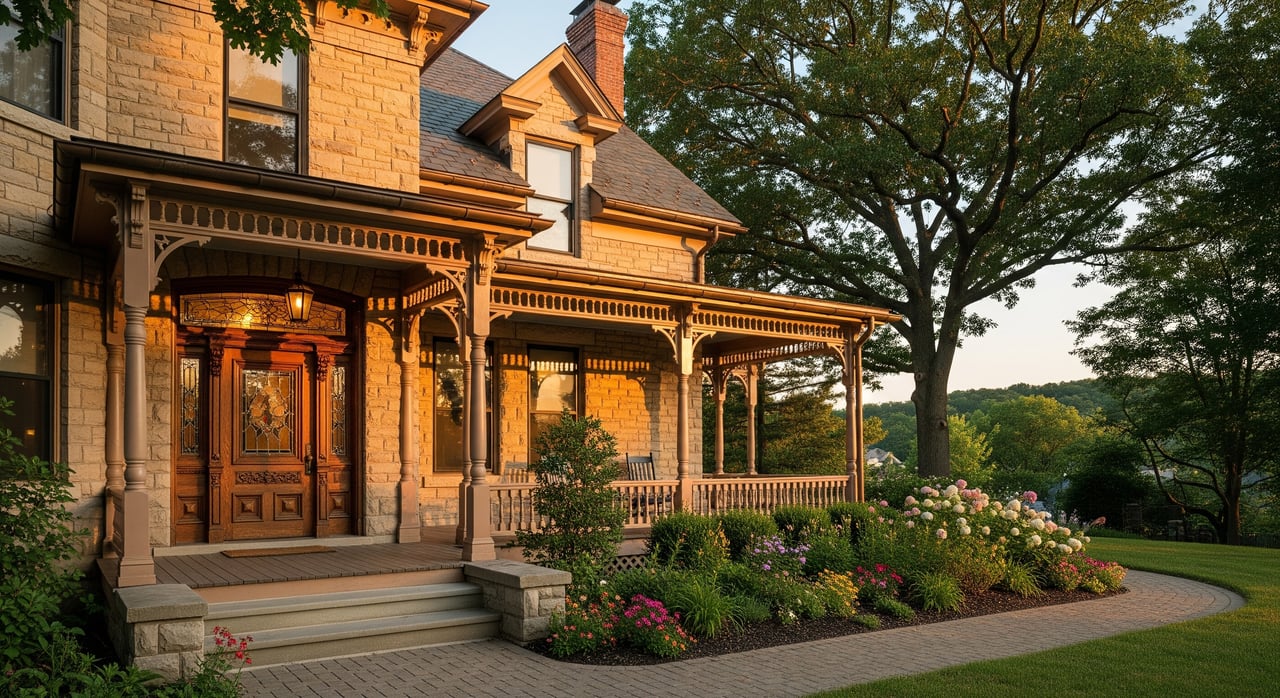
Mount Lookout sits within Cincinnati’s older residential fabric, where you often find American Foursquares, Craftsman bungalows, Colonial Revival, Tudor Revival, and late Victorian styles. Many properties include wood-frame construction, masonry or masonry-veneer foundations and chimneys, original wood windows, and inviting porches.
Our local climate is humid in summer and cold in winter. Freeze-thaw cycles can stress masonry, roofing, and exposed wood. Expect recurring maintenance needs around mortar joints, paint, flashing, and drainage.
Start with a focused inspection
Before you plan projects, assess the home’s key systems. A general home inspection is a smart first step, followed by specialists as needed.
- Structure and exterior: foundations, masonry, siding, porches, and roof.
- Mechanical systems: HVAC age and type, electrical service size, wiring type, plumbing pipe materials.
- Health and safety: lead-based paint, asbestos in older materials, and moisture or pests.
If you see settlement, bulging walls, or widespread moisture stains, engage a structural engineer or qualified contractor experienced with older homes.
Masonry and exterior envelope
Older brick and stone perform best with compatible materials and gentle treatment.
- Look for cracked or missing mortar, spalling brick, and efflorescence. These point to water intrusion and failing joints.
- Match mortar to the original. Many older walls used softer, lime-rich mortar. High-strength modern mortar can damage historic brick.
- Avoid sandblasting and high-pressure washing. Both can erode brick faces and force water into walls.
- Inspect flashing, gutters, and downspouts. Keeping water away from walls is the fastest way to extend the life of your masonry.
Roofs, gutters, and chimneys
Roofs protect everything below, so regular attention pays off.
- Check shingles or slate for age and damage. Dormers and porches are frequent leak points.
- Replace failing flashing and underlayment, not just surface materials. A watertight assembly matters more than a quick patch.
- Clean gutters and clear downspouts at least twice a year. Verify that downspouts discharge away from the foundation.
- Inspect chimney crowns and flues. Deteriorated crowns and liners can let water in and pose safety risks.
When replacement is necessary, choose materials that are visually compatible with the home’s era, such as architectural shingles or professionally rebuilt slate.
Historic windows and exterior woodwork
Original windows are part of your home’s character and can perform well with the right care.
- Common issues include stuck sash, failing paint, and rotten sills. These are repairable.
- Consider repair-first solutions: epoxy consolidation, new sash cords, and careful reglazing.
- Add storm windows and weatherstripping. These reduce drafts and improve efficiency without changing sightlines.
- If you must replace, select high-quality units that match profiles and operation. Check local rules if the property sits in a regulated district.
Foundations, basements, and drainage
Dry basements and stable foundations protect both structure and systems.
- Correct grading so water flows away from the house.
- Extend downspouts and consider French drains where pooling occurs.
- Address hydrostatic pressure with perimeter drains or sump systems if needed.
- Repair deteriorated mortar in older stone or brick foundations with compatible materials.
Large or widening cracks, bowing walls, or ongoing settlement warrant a structural engineer’s review.
HVAC, plumbing, and electrical
These systems affect comfort, safety, and insurability.
- HVAC: Many older homes benefit from high-efficiency boilers or air-source heat pumps. Ductless mini-splits provide zoned comfort with minimal interior changes.
- Plumbing: Replace galvanized supply lines and deteriorated cast-iron drains. Update old joints that may contain lead.
- Electrical: Confirm service capacity, add GFCI and AFCI protection, and plan for rewiring if you have knob-and-tube or aluminum wiring. These are common insurance concerns.
Route new wiring and piping discreetly through basements, attics, or closets to protect historic finishes.
Lead, asbestos, mold, and pests
Homes built before 1978 may have lead-based paint. Renovation that disturbs paint in pre-1978 homes must follow EPA Renovation, Repair and Painting requirements, including certified contractors and lead-safe work practices. Asbestos can be present in older insulation, flooring, and pipe wrap. Test suspect materials before disturbing them, and use certified professionals for abatement. Address moisture promptly to prevent mold, and schedule pest inspections for termites or carpenter ants when buying.
Energy upgrades with low visual impact
You can boost comfort and efficiency without altering the home’s character.
- Air sealing and insulation: Seal gaps at the attic plane and insulate attics and rim joists. Maintain proper attic ventilation.
- Storm windows: Quality storm units paired with repaired historic sash can significantly improve performance.
- Thoughtful HVAC placement: Hide equipment in basements or less-visible locations and conceal linesets where possible.
Ask about residential efficiency programs or rebates from local utilities such as Duke Energy Ohio. Programs change regularly, so confirm current offerings before you plan work.
Kitchens and baths that fit the house
Aim for modern function that respects period details.
- Keep original millwork, staircases, and floor patterns where possible.
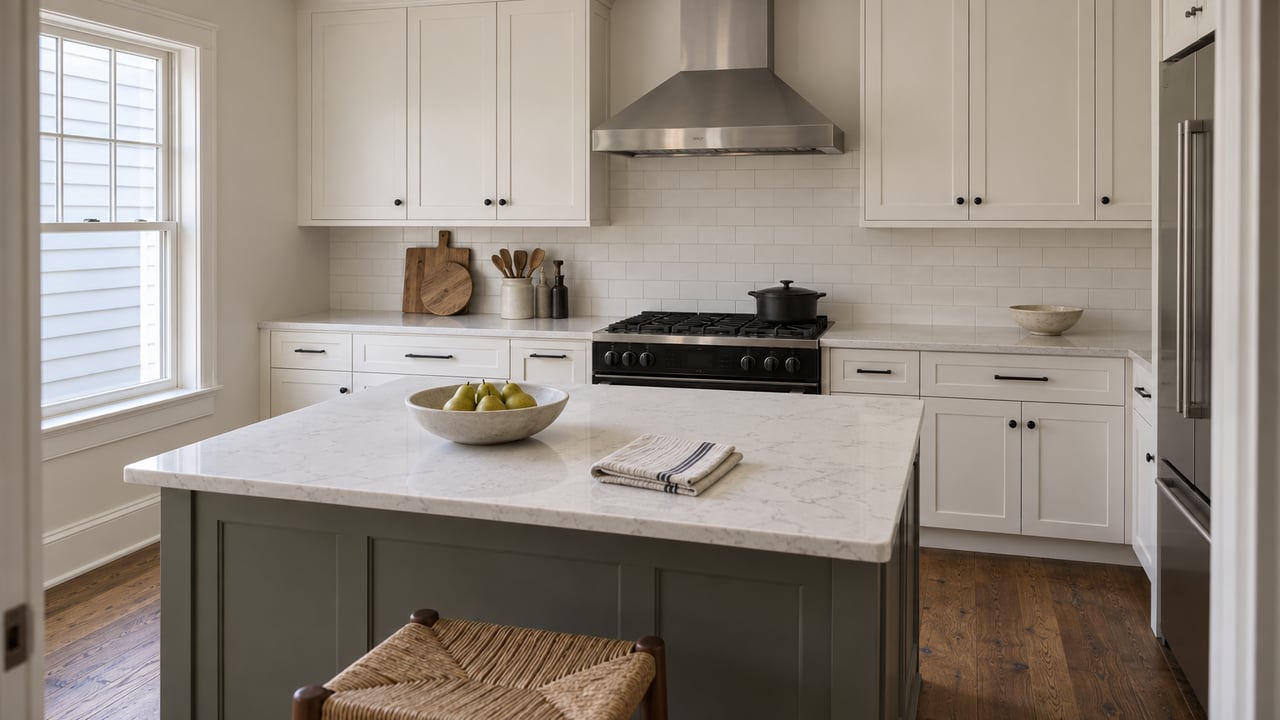
- Use materials that suit the style, such as shaker cabinetry in a Craftsman home.
- If you remove built-ins, document conditions and salvage trim for reuse.
These choices maintain visual continuity and support market appeal.
Porches, paint, and curb appeal
Porches are the face of many Mount Lookout homes.
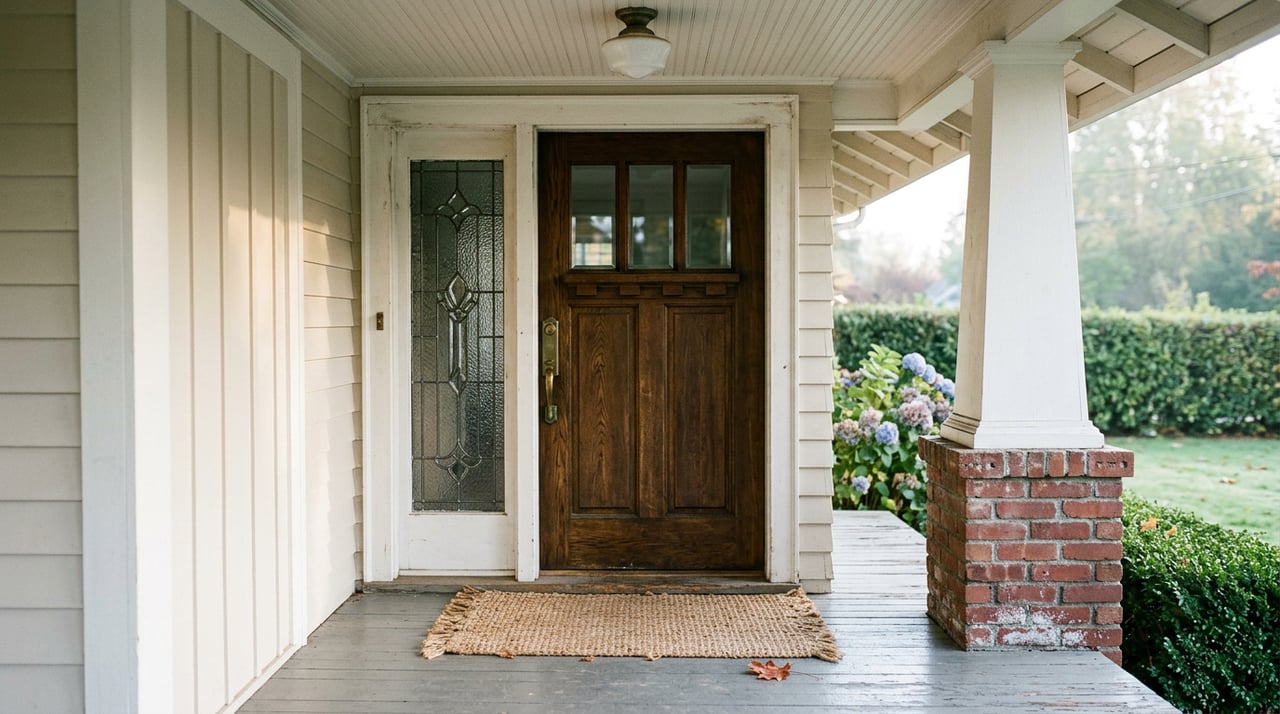
- Repair porch framing, flooring, balustrades, and columns with like materials and methods.
- Prep surfaces well before painting and choose historically suitable color palettes.
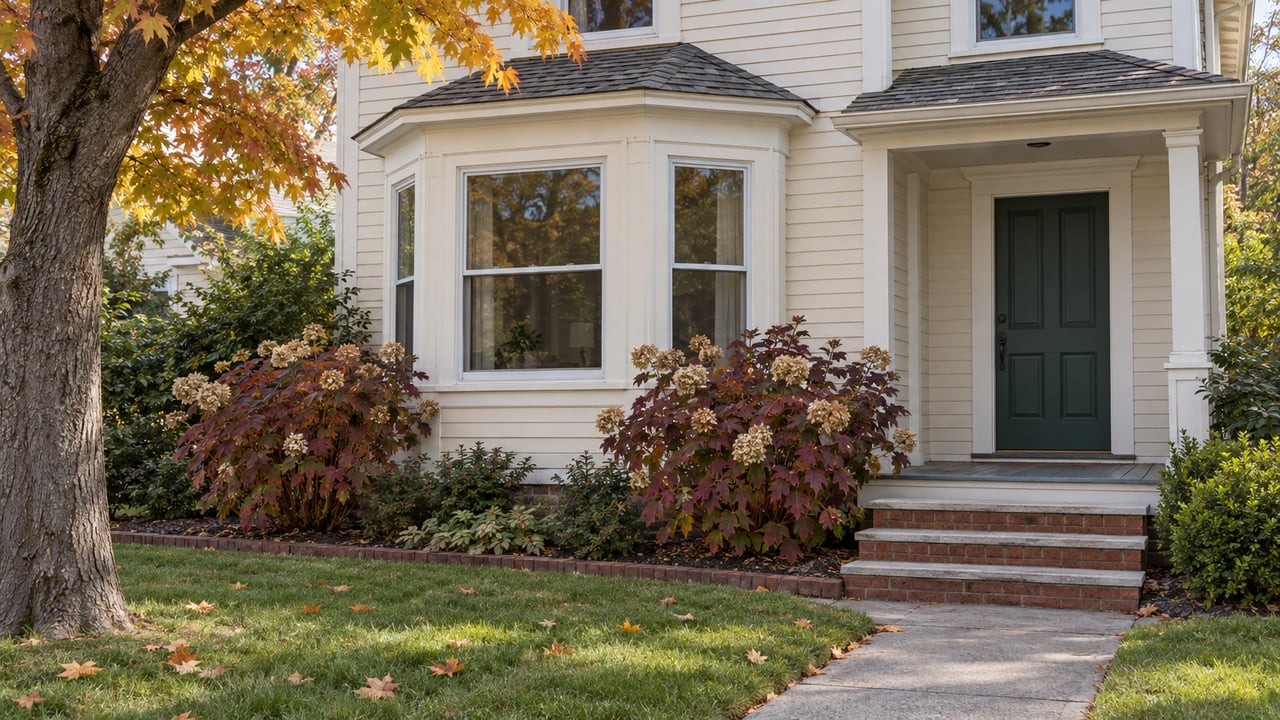
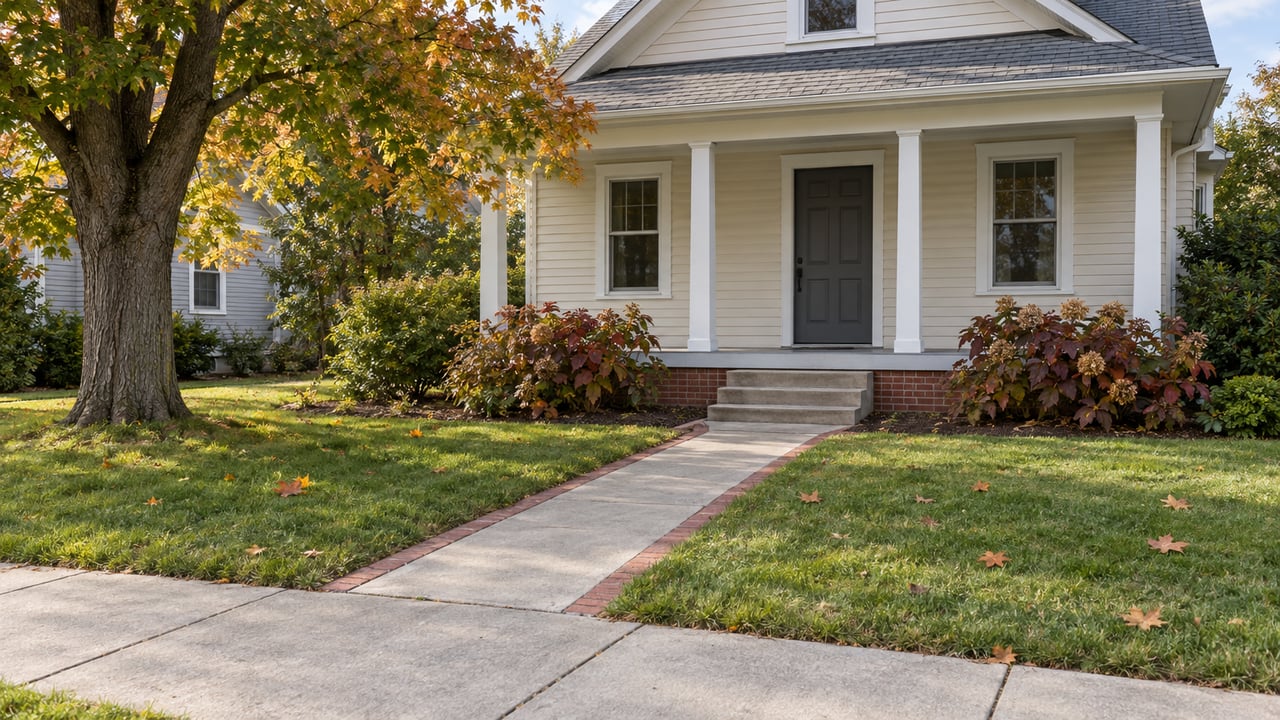
- Use scaled landscaping, defined walkways, and porch lighting to complement the architecture.
Small exterior upgrades can make a big difference for both pride of ownership and buyer interest.
Permits, design review, and incentives
Before you change exterior features, confirm your property’s status with the City of Cincinnati. Some areas have local design review that affects windows, siding, porches, and additions. Most structural, electrical, plumbing, and mechanical work requires permits and inspections. During larger renovations, plan for potential code updates.
For incentives, note that federal historic rehabilitation credits primarily apply to income-producing, certified historic properties. Ohio and Hamilton County may offer programs that change over time. Check with the Ohio History Connection and Cincinnati city offices. Ask your utility about rebates or home energy assessments, and look for any neighborhood association guidance on façade improvements.
Budgeting and timeline planning
Historic work often takes longer and requires specialized trades.
- Build a balanced budget: plan for visible items like paint and porch repairs, plus critical systems work like electrical and drainage.
- Get multiple bids and specify preservation-minded methods, such as lime-based mortar for repointing.
- Ask contractors for references on similar historic projects.
Clear scope, realistic timelines, and the right team lead to smoother results.
Seasonal maintenance checklist
Use this quick list to stay ahead of issues.
- Spring: clean gutters, check grading and downspout extensions, inspect porch and deck railings, test sump pump.
- Summer: touch up exterior paint and caulk, trim vegetation away from walls, service air conditioning or heat pumps.
- Fall: inspect roof and flashing, schedule chimney and boiler or furnace service, clear leaves from drains.
- Winter: monitor ice dams, watch for interior moisture, and check basement for leaks after thaws.
When to bring in specialists
Some situations call for targeted expertise.
- Structural engineer for settlement or load-bearing changes.
- Mason trained in historic lime mortar for repointing.
- Slate roofing specialist for restoration.
- Lead-safe certified renovator and licensed asbestos contractor when disturbing hazardous materials.
- Licensed electrician and plumber for system upgrades.
Buying or selling in Mount Lookout
If you are buying, use your inspection period to evaluate structure, systems, and potential lead or asbestos. If you are selling, consider quick win projects like gutter cleaning, paint touch-ups, porch repairs, and energy sealing. Thoughtful upgrades that respect the home’s character tend to attract Mount Lookout buyers who value both authenticity and comfort.
Ready to create a maintenance or prep plan tailored to your property and timeline? Let’s talk about your goals, the projects that will protect value, and the upgrades that will resonate with today’s buyers in Mount Lookout.
For local guidance from a neighborhood-focused team, reach out to Megan Stacey. Let’s talk about your next move.
FAQs
What should I inspect first in a Mount Lookout historic home?
- Start with roof, gutters, and drainage, then review masonry, foundation, and mechanical systems. Address active water issues before cosmetic projects.
How can I improve efficiency without replacing historic windows?
- Repair sash, add weatherstripping, and install quality storm windows. Pair with attic air sealing and insulation for the biggest gains.
What permits or approvals might I need in Cincinnati?
- Most system work needs permits, and some areas have exterior design review. Confirm requirements with the City of Cincinnati before starting work.
Are there incentives for historic home upgrades in Hamilton County?
- Federal credits mainly apply to income-producing historic properties. Check city and state offices, plus local utilities, for changing programs and rebates.
Is knob-and-tube wiring a dealbreaker for Mount Lookout homes?
- Not necessarily, but it raises safety and insurance concerns. Plan for an electrical service upgrade and code-compliant rewiring where needed.
How do I handle potential lead-based paint in a pre-1978 home?
- Test before disturbing painted surfaces and use EPA-certified contractors who follow lead-safe work practices during renovation.