What if your morning coffee, river view, and quick hop to downtown Cincinnati all lived within a few compact blocks? If you are weighing Northern Kentucky river towns, Bellevue offers a walkable, historic neighborhood feel with city access across the bridge. In this local’s guide, you will learn the day-to-day vibe, housing types, commute options, renovation and flood considerations, and the key checks to make before you buy or sell. Let’s dive in.
Bellevue at a glance
Bellevue is a small river city in Campbell County with a dense, village-like core along the Ohio River. Streets are compact and walkable, with porches close to the sidewalk and a strong sense of place. Much of the housing dates to the late 19th and early 20th centuries, which shapes both the character and the maintenance needs you should plan for. The city’s scale means tight inventory and a neighborhood feel rather than sprawling suburbs.
Daily life on Fairfield Avenue
Dining and local shops
Fairfield Avenue is Bellevue’s main street, lined with restaurants, bars, coffee spots, and small businesses. You can often leave the car at home for a bite, a drink, or a quick pickup from a service shop. For broader options, nearby river towns like Newport and Covington and downtown Cincinnati expand your choices within a short drive or transit ride.
Groceries and services
You can handle daily needs in or near the city, including groceries, pharmacies, and routine services. For a wider specialty selection, most residents drive a short distance to nearby retail corridors. Healthcare for routine needs is close by, with larger hospitals and specialty centers located in Greater Cincinnati and Northern Kentucky regional systems.
Parks and the riverfront
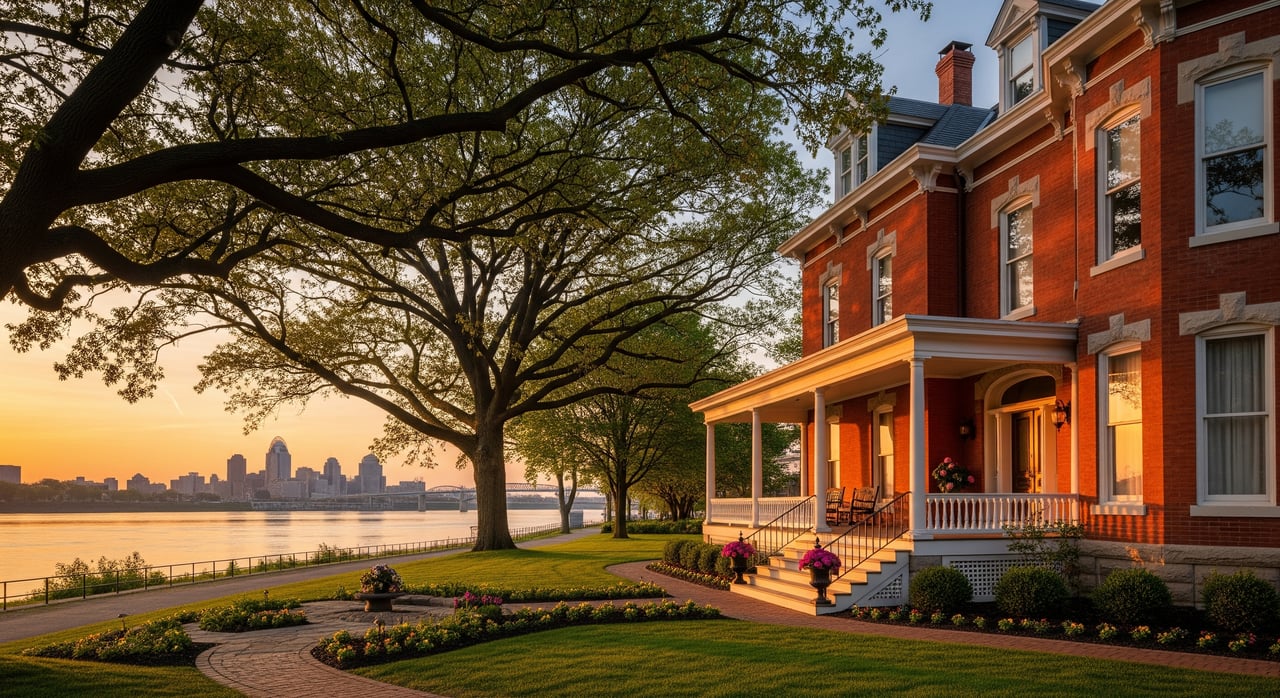
Bellevue’s riverfront parks offer walking paths, green space, and views of the Ohio River. Small neighborhood parks and playgrounds add everyday convenience. The river is active with commercial traffic, so if you are interested in boating or private dock access, verify local facilities and any restrictions before you buy.
Community and culture
Bellevue hosts seasonal events and community gatherings that fit its small-city scale. You will find locally run activities, markets, and neighborhood programs that bring residents together. Many people also treat Cincinnati as their broader cultural backyard, with quick access to museums, professional sports, theater, and larger festivals.
Getting around and commuting
Driving and bridges
The drive to central Cincinnati is often under 20 minutes during off-peak times. Traffic near bridge approaches and downtown can extend commute times during rush hour, so test your route from a specific Bellevue address. Your bridge choice will depend on your destination in Cincinnati and real-time conditions.
Transit with TANK
The Transit Authority of Northern Kentucky (TANK) connects river cities like Bellevue with downtown Cincinnati and other job centers. Frequency varies by route and time of day. Some commuters pair TANK with Cincinnati transit to complete a two-part trip.
Walking and biking
Within Bellevue, many errands are walkable thanks to closely spaced blocks and services on Fairfield Avenue. Cycling options depend on street conditions and comfort level. Riders often use regional trails or cross-river bike routes to reach Cincinnati destinations.
Airport and regional access
Cincinnati/Northern Kentucky International Airport (CVG) is typically a 20 to 40 minute drive, depending on traffic and time of day. Major employment centers and hospitals across Cincinnati are reachable by car or transit. Most residents keep a car for regional errands even if they walk locally.
Housing and architecture
Typical homes and lot sizes
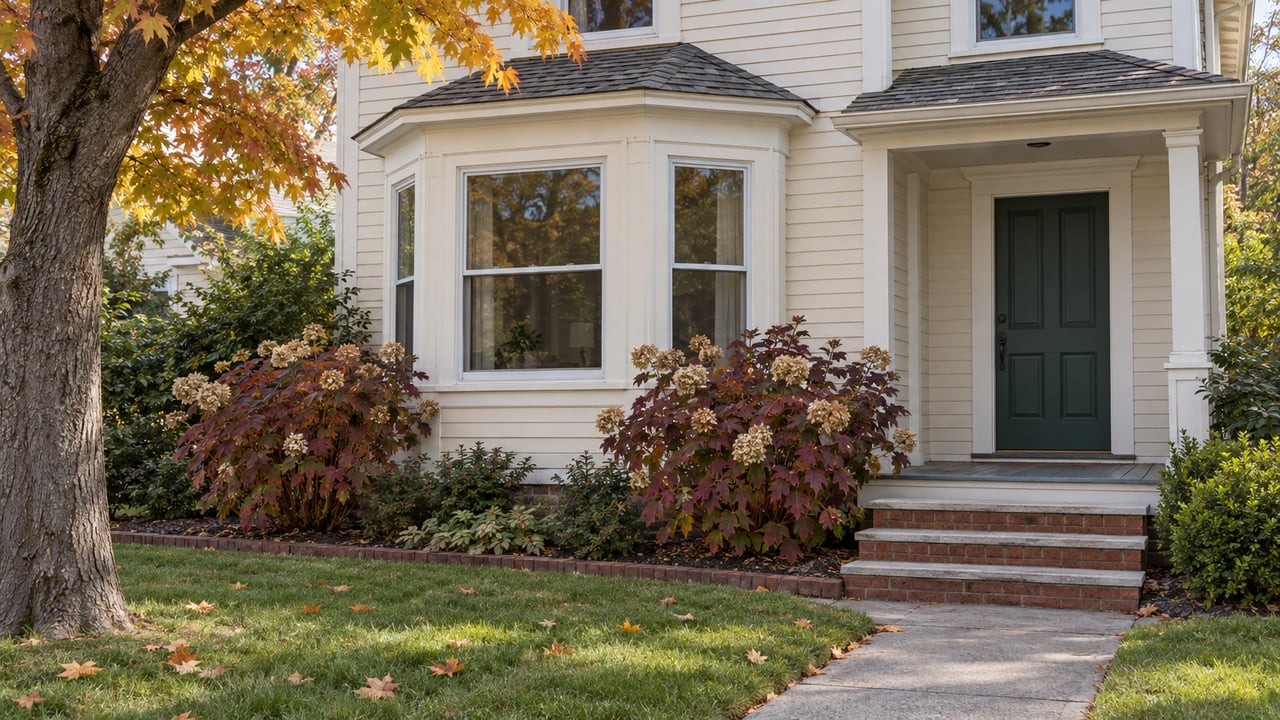
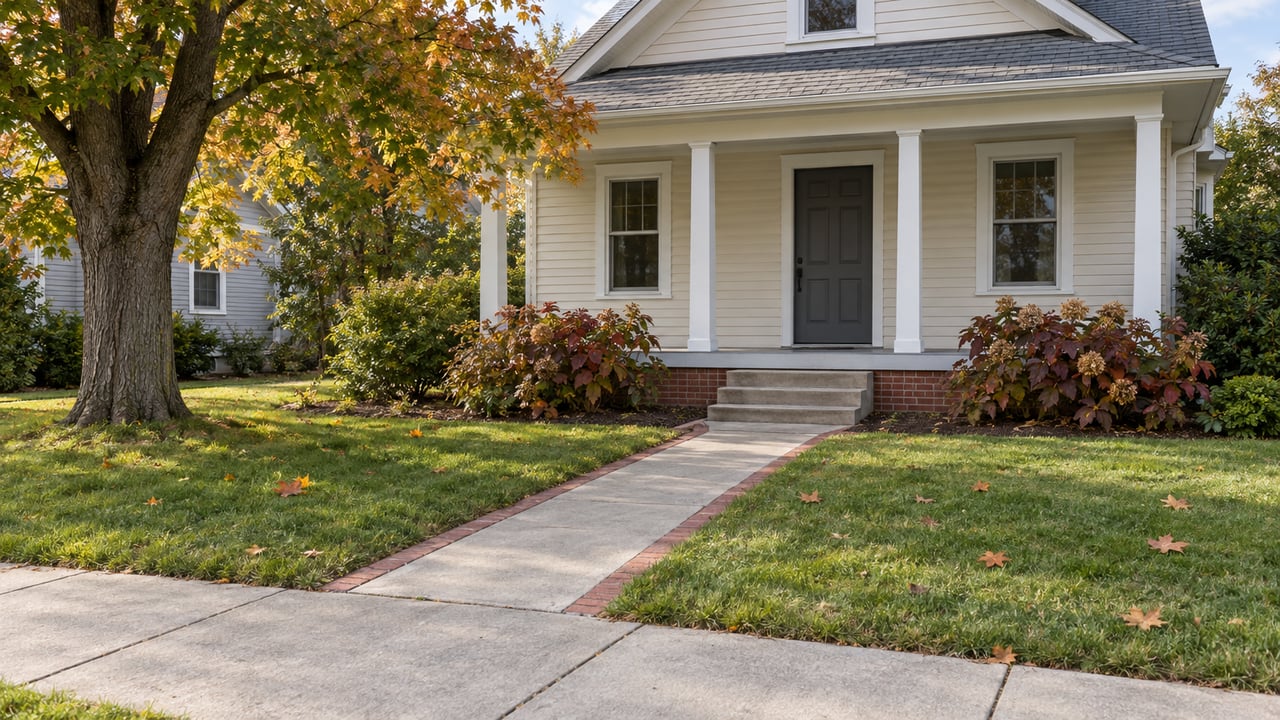
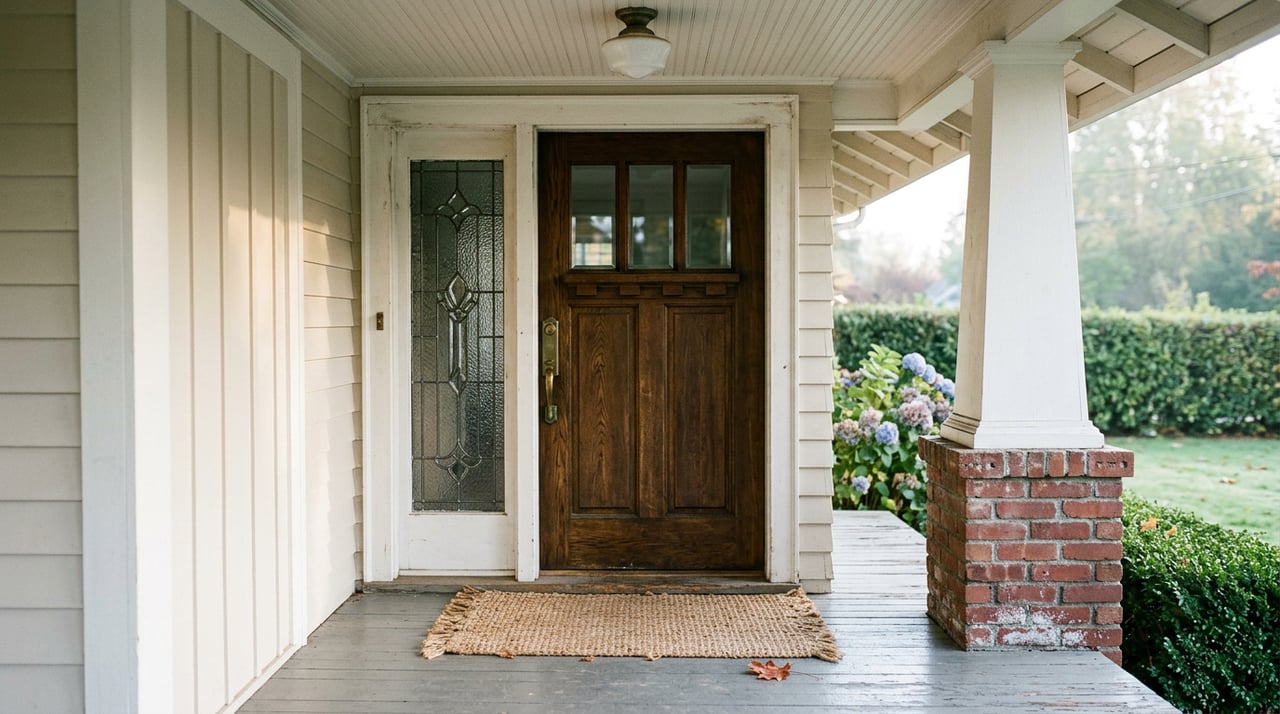
Homes are primarily older single-family houses, duplexes, and rowhouse-style properties on narrow lots. Expect smaller yards and cozy interiors relative to suburban Northern Kentucky. Architecture often features brick facades, front porches, and era-specific details that appeal to buyers who value historic character.
Market dynamics and trade-offs
Because Bellevue is compact, inventory remains tight and desirable blocks near the river can draw heightened demand. The lifestyle trade-off is straightforward: you get walkability and character but may see smaller rooms, closer neighbors, and the possibility of modernization projects. If you prefer large lots and new construction, inventory will be limited.
Options for downsizers
Downsizers often target smaller single-level homes, compact houses on small lots, and updated historic properties. While there are fewer large condo developments, you can find low-maintenance options if you prioritize efficient floor plans and upgraded systems. Proximity to services and simpler yards are common benefits.
Parking and storage
On-street parking is common, and some homes include small driveways or off-street spaces. Storage can be tighter than in suburban settings, so look closely at basements, sheds, and closets. If you commute by car to downtown, weigh the cost and availability of employer-subsidized parking against transit options.
Older homes and historic district
Renovation and maintenance needs
With older homes, plan for upgrades that improve comfort and efficiency. Common projects include HVAC and electrical updates, roof repair, window and insulation improvements, and basement waterproofing. If a seller has completed recent improvements or flood mitigation, that work can reduce your near-term maintenance burden.
Historic rules and approvals
Parts of Bellevue are historically designated. If your property falls within a historic district, exterior changes may require adherence to architectural guidelines and a permitting process. There may also be eligibility for tax incentives or grants when you follow approved restoration standards. Confirm the local process and requirements before you plan exterior work.
Flood risk and river living
How to evaluate a property
Bellevue’s proximity to the Ohio River means some areas lie within FEMA-designated flood zones. For any home near the river, check FEMA Flood Insurance Rate Maps, request an elevation certificate, and review the property’s flood history. Ask about recent floodproofing measures such as elevation changes, flood vents, and drainage improvements.
Insurance and long-term costs
If a property is in a mapped flood zone, your lender may require flood insurance. Premiums and mitigation choices affect monthly costs and resale value. Factor potential upgrades and insurance quotes into your offer strategy so you can compare homes on true carrying costs rather than list price alone.
Taxes, utilities, and records
Property taxes are administered through Campbell County, and rates can vary by jurisdiction and school levies. Request parcel-specific tax data and recent tax bills for accurate budgeting. Utility providers and costs differ by property, and older systems can be less efficient until updated, so ask for recent utility statements to benchmark expected expenses.
Buyer and seller checklists
Due diligence for buyers
- Flood risk: verify FEMA map status, elevation certificate, flood history, and insurance quotes.
- Structure and systems: inspect foundation, basement moisture, roof age, HVAC, and electrical.
- Historic district: confirm boundaries, exterior-change rules, and approval timelines.
- Zoning and use: check rules for short-term rentals, accessory structures, and parking.
- Commute test: drive or ride transit during peak hours to your workplace.
- Costs and records: review utility bills, parcel tax history, and any special assessments.
- Livability: visit at different times of day to evaluate noise, lighting, and proximity to nightlife.
Prep steps for sellers
- Tackle deferred maintenance and provide documentation of system upgrades.
- If applicable, share flood-related information such as elevation certificates and mitigation work.
- Clarify any historic-district approvals for past exterior changes.
- Organize utility averages and recent tax bills to help buyers project costs.
- Stage for small-space living, highlight walkability, and showcase outdoor areas.
Is Bellevue a fit for you?
If you love historic charm, a walkable main street, and fast access to Cincinnati, Bellevue delivers a distinctive river-city lifestyle. The trade-offs are smaller lots and interiors, potential flood considerations, and the maintenance realities of older homes. For many urban-leaning buyers and downsizers, the neighborhood feel, community events, and convenience outweigh those factors. If you want help weighing the options street by street, we are here to guide you.
Ready to explore homes and compare streets, commute routes, and renovation scenarios? Connect with Megan Stacey for a friendly, detailed walkthrough of Bellevue and neighboring river communities.
FAQs
What is the day-to-day vibe in Bellevue?
- Expect a small, walkable river city with active main-street blocks, neighborhood events, and a calm residential feel that gets livelier near dining clusters and the riverfront.
How walkable is Bellevue for errands and coffee?
- Many daily needs sit along Fairfield Avenue, so you can walk to restaurants, coffee shops, and services, while bigger grocery or specialty runs are a short drive away.
Will I need flood insurance for a Bellevue home?
- It depends on the property’s FEMA flood-zone status and elevation; verify maps, request an elevation certificate, and obtain quotes to understand costs.
How hard is it to renovate a historic home in Bellevue?
- Interior updates are typical for older homes; exterior changes in designated historic areas may require approvals, so confirm rules and timelines before you plan work.
How long is the commute to downtown Cincinnati?
- Off-peak drives can be under 20 minutes, but rush-hour traffic and bridge approaches can add time; TANK buses offer additional options depending on route and schedule.
What housing options suit downsizers in Bellevue?
- Smaller single-level homes and compact historic houses with updated systems are common; focus on efficient layouts, low-maintenance yards, and proximity to services.
How do taxes and utilities compare to nearby towns?
- Taxes are set through Campbell County with jurisdictional differences; request parcel-specific tax bills and recent utility statements to make accurate comparisons.
What should I check before writing an offer?
- Confirm flood status and insurance, inspect structure and systems, understand historic-district rules, review taxes and utilities, and test your commute during peak hours.