Love the vibe of Oakley but not sure how to start your first home purchase? You are not alone. Oakley blends a lively main street feel with quick access to downtown Cincinnati, which makes it popular and sometimes competitive. This guide walks you through what to expect in Oakley, from home types and budgets to timelines, showings, inspections, and local resources. Let’s dive in.
Why Oakley appeals to first-time buyers
Oakley sits on Cincinnati’s east side about 5–8 miles from downtown, centered around Oakley Square along Montgomery Road. You get neighborhood restaurants, coffee shops, and a craft brewery scene, including the well-known MadTree Brewery. You also have relatively direct access to I-71 and nearby retail hubs like Kenwood and Rookwood. That mix of convenience and lifestyle often draws first-time buyers and can lead to quick-moving listings near the Square.
What homes look like in Oakley
Common home types
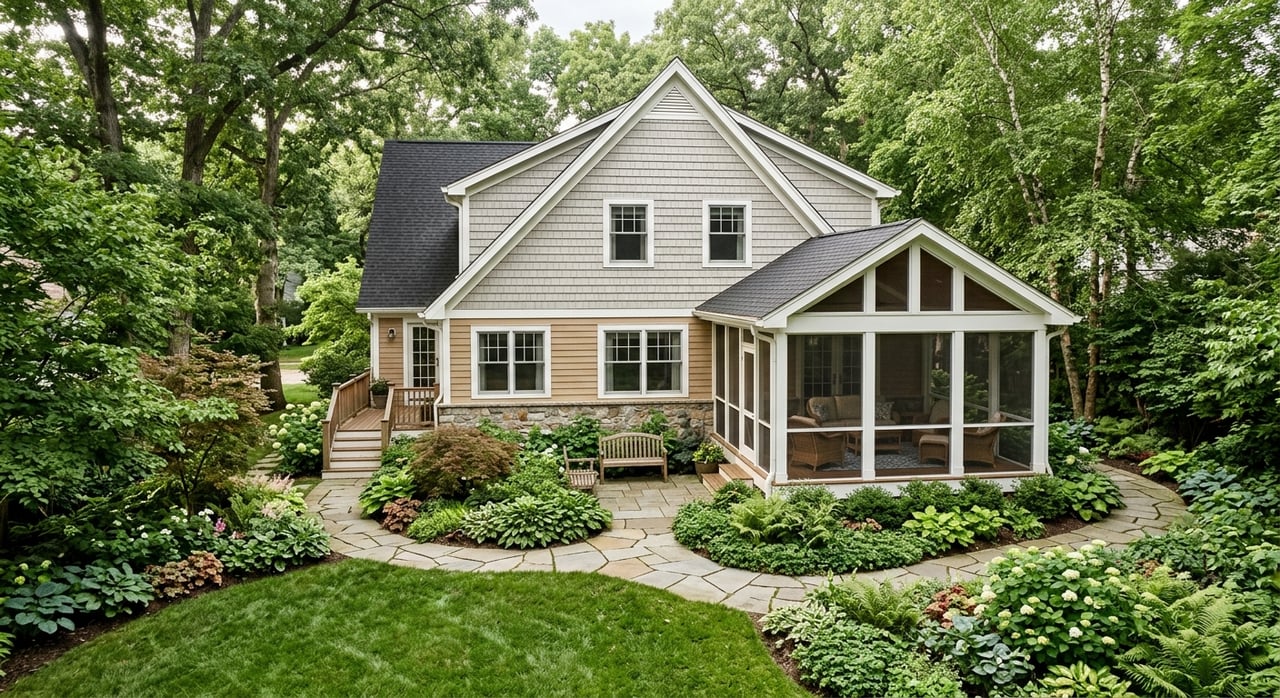
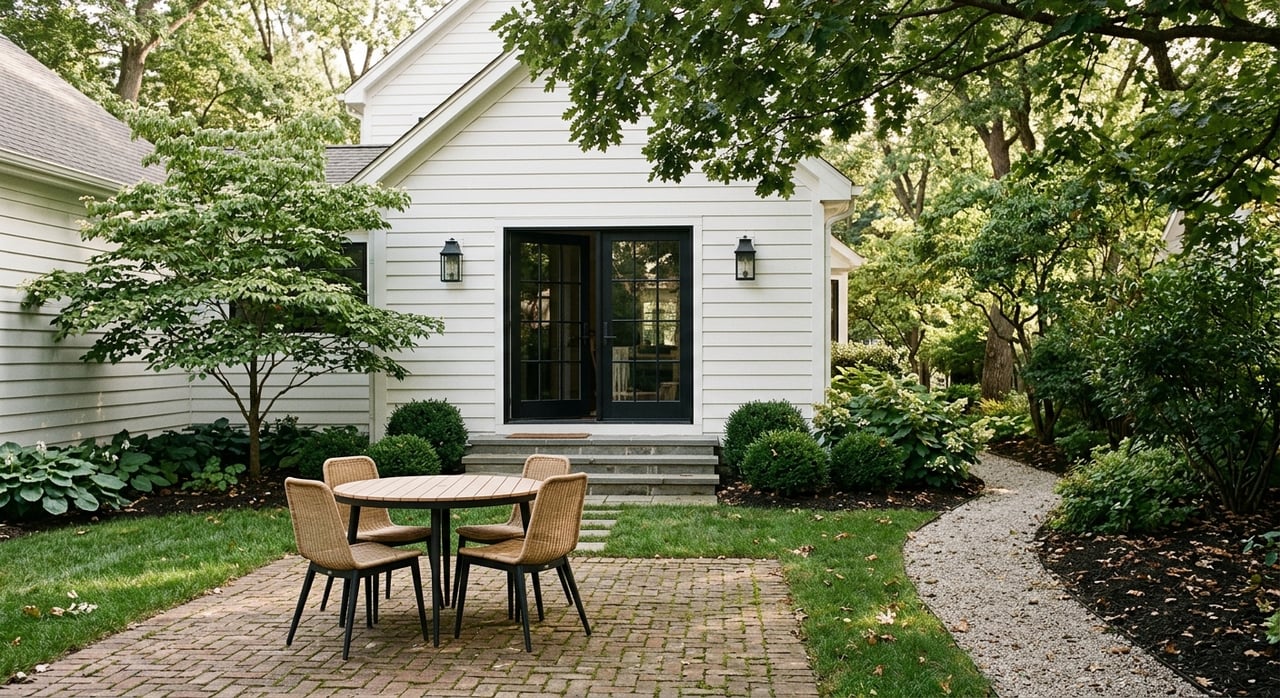
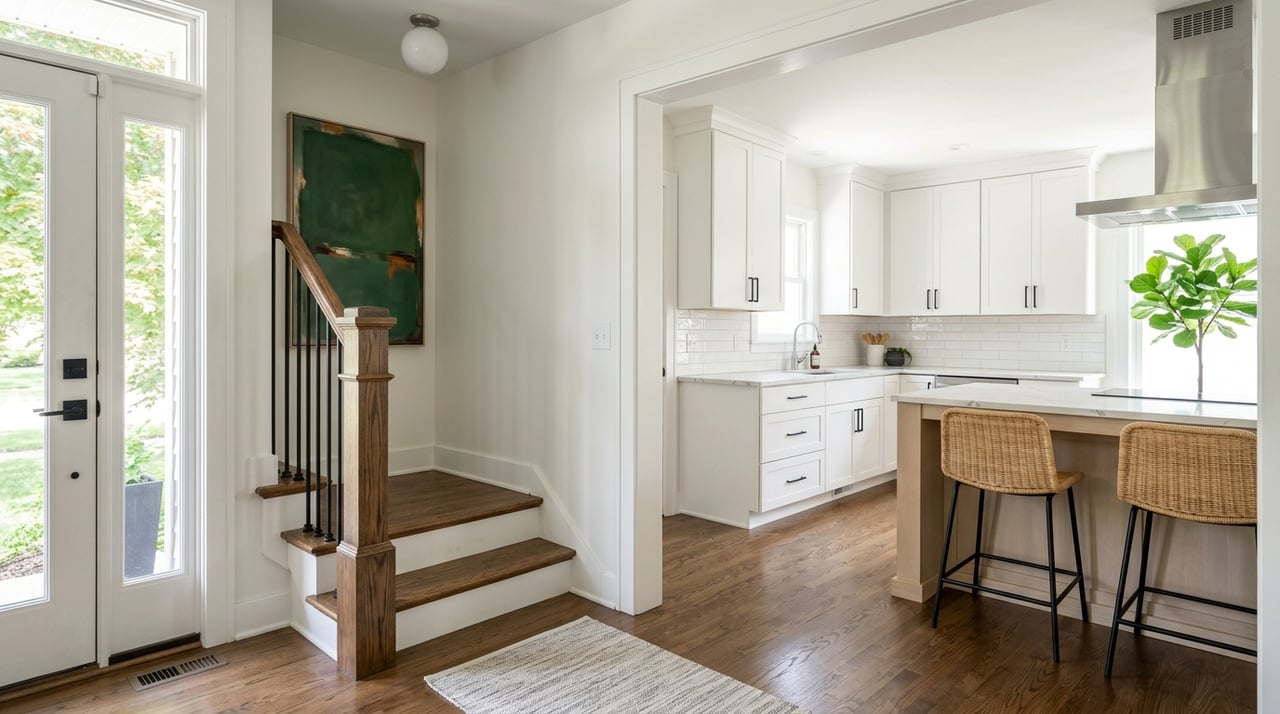
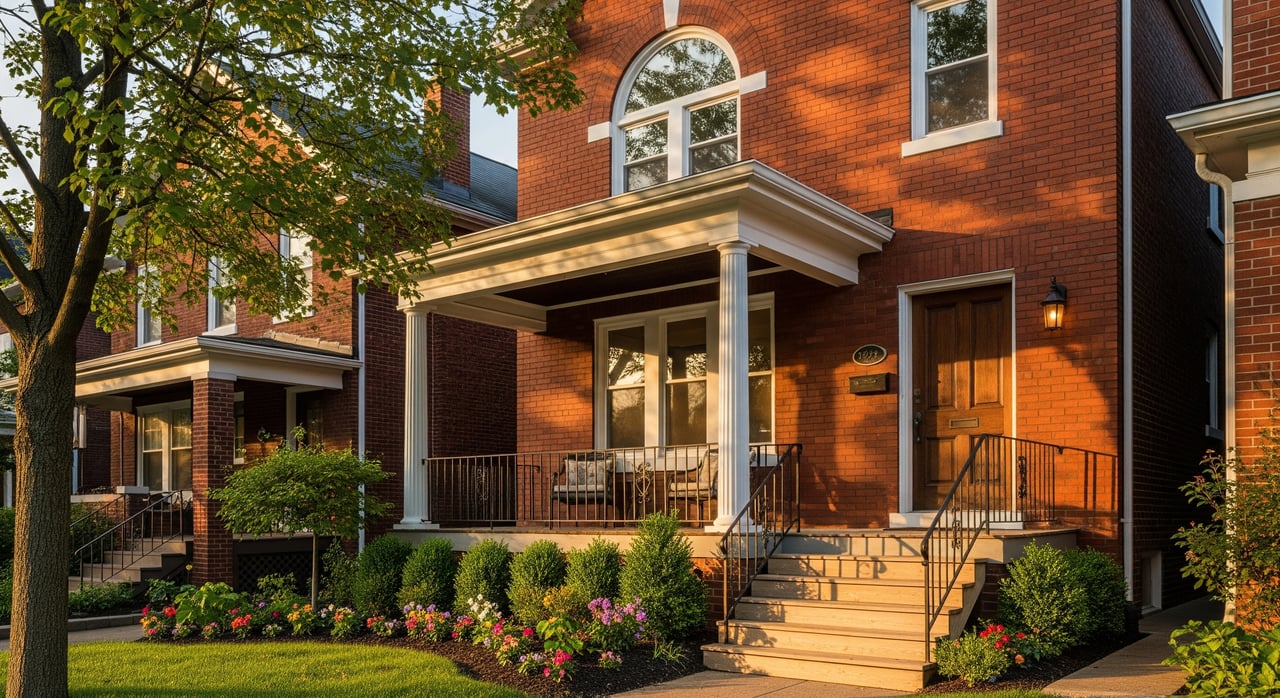
You will see a mix of older single-family homes and cottages, including bungalows, American foursquares, and modest brick houses, often with basements on smaller urban lots. Some blocks include duplexes or small multi-family buildings. Closer to the commercial corridors, you will find townhomes, condo conversions, and newer infill construction. Renovated and new-build options often feature modern finishes on compact lots.
Typical condition by age
Pre-1950s homes may have older wiring, plaster walls, and aging plumbing, and some foundations can need repointing. Mid-century homes often show aging HVAC, original windows, and cast-iron sewer laterals. Renovated or infill homes usually have newer systems but can vary in construction quality and may face small-lot drainage considerations. Plan for an inspection strategy that fits the age and condition of the property you like.
Price bands and expectations
Entry-level condos and smaller townhomes tend to be the most budget-friendly tier. Typical 2–3 bedroom single-family homes sit in a middle range, where condition and updates drive value. Fully renovated or new infill homes with contemporary finishes often land at the higher end for the neighborhood. Prices move month to month, so review current MLS snapshots for live data before you set a target budget.
Budget and financing basics
Loan types to know
Common options for first-time buyers include Conventional loans with low down payment options that use private mortgage insurance, FHA loans with 3.5% down for qualified buyers, VA loans with 0% down for eligible veterans, and USDA loans that are location and income limited. Pre-approval, where a lender verifies your income and assets, is stronger than pre-qualification and can help you compete. Ask your lender for clear monthly payment scenarios and rate-lock details in writing.
How much to save
Plan for a down payment based on your loan type. Many buyers also set aside closing costs of about 2–5% of the purchase price. Build an emergency reserve of 2–6 months of expenses after closing, especially for older homes. Do not forget moving costs and first-year updates or furnishings.
Ongoing costs to plan for
Your monthly budget includes mortgage principal and interest, property taxes, homeowner’s insurance, and utilities. If you buy a condo or townhome, add HOA fees. For single-family homes, a common rule of thumb is at least a few hundred dollars per month on average for maintenance over time, which can rise for older properties.
Your buying timeline
- Initial research and agent selection: 1–3 weeks.
- Mortgage pre-approval: 1–2 weeks.
- Active search and showings: weeks to months; in a tight pocket, be ready to move quickly.
- Contract to close: typically 30–45 days, depending on lender speed and contingencies.
What to look for at showings
- Yard and lot size: Urban lots are often modest. Check sunlight, grading, and privacy.
- Basements: Many homes have basements. Look for signs of moisture and ask about finished vs. unfinished areas.
- Age clues: Note panel type, wiring, window age, insulation, roof condition, and plumbing materials.
- Parking: Driveways can be narrow or short. If on-street parking matters, visit at different times to understand availability.
- Noise and foot traffic: Homes near Oakley Square or Montgomery Road can have more activity. Visit during evenings and weekends to check your comfort level.
Offers and negotiations
Updated homes near the Square can attract multiple offers. Strong offers often include a clear pre-approval letter, realistic earnest money, and a concise but reasonable inspection window. Some buyers use escalation clauses or appraisal-gap language, which carries risk. Balance competitiveness with risk tolerance and keep an inspection contingency unless you have the experience and budget to handle surprises.
Inspections that matter
- General home inspection for overall condition.
- Sewer scope to assess older sewer laterals.
- Radon test, especially with a basement.
- Pest or termite inspection if there are signs of wood damage.
- Specialists as needed: HVAC, chimney, roof, electrical, or moisture evaluations when indicated.
Getting around and daily life
Oakley offers relatively direct driving routes to I-71 for commutes to downtown and nearby job centers. Metro bus routes run along major corridors; confirm current service with the transit provider. Walkability is a draw near Oakley Square, and you have close access to stores and dining in Kenwood and Rookwood. You will also find nearby parks and green space listed through city resources.
Schools and enrollment
School assignment varies by address. Always verify a specific property’s assignment and enrollment steps through the school district’s official tools. If you are exploring private options, research nearby schools directly for admissions and capacity. Keep your search address-specific to avoid assumptions.
Taxes, utilities, and services
Hamilton County property taxes depend on assessed value, local tax rates, and any exemptions. Review property tax history through the county auditor when you have a target address. Water and sewer are commonly served by the regional provider; electricity and gas in the Cincinnati region often run through major utilities. For trash and recycling, confirm your pickup details and costs with the service provider that serves your address.
Renovations and permits
Many Oakley homes are older. If you plan to renovate, check City of Cincinnati permit requirements for structural, electrical, plumbing, and exterior work. Some areas can include zoning or overlay rules that affect exterior changes. Factor permit timelines and contractor schedules into your move plan.
Local resources for first-time buyers
- Hamilton County Auditor for property records and tax history.
- Greater Cincinnati Realtors or your local MLS for current market stats.
- Ohio Housing Finance Agency for first-time buyer programs and down payment assistance.
- City of Cincinnati permits and planning for renovation rules.
- HUD-approved housing counseling agencies for education and counseling.
- Neighborhood and business groups for local events and updates.
Start your search with a local guide
Buying your first home is personal. You deserve a plan that fits your budget, timeline, and comfort with an older-but-charming housing stock. If you want a clear search strategy and step-by-step support in Oakley, reach out to the team that pairs neighborhood insight with attentive service. Connect with Megan Stacey to talk through your next steps.
FAQs
How competitive is Oakley for first-time buyers?
- Oakley can be competitive, especially for updated homes near the Square, so expect faster timelines and the possibility of multiple offers.
What should I budget beyond the down payment in Oakley?
- Plan for closing costs around 2–5% of the purchase price, moving and setup costs, and an emergency reserve of 2–6 months of expenses.
Which inspections are most important for older Oakley homes?
- A general home inspection, sewer scope, and radon test are key, with specialist inspections as needed for HVAC, roof, electrical, or moisture issues.
How long does it take to close on a home in Oakley?
- After an accepted offer, many buyers close in about 30–45 days, depending on lender timelines and contingencies.
How do I verify school assignment for a specific Oakley address?
- Use the school district’s official boundary and enrollment tools for the exact address rather than relying on neighborhood names.
Who provides utilities and trash service in Oakley?
- Water and sewer are served by regional providers, electricity and gas are provided by major utilities, and trash or recycling is handled by city or contracted haulers; confirm service for your exact address.